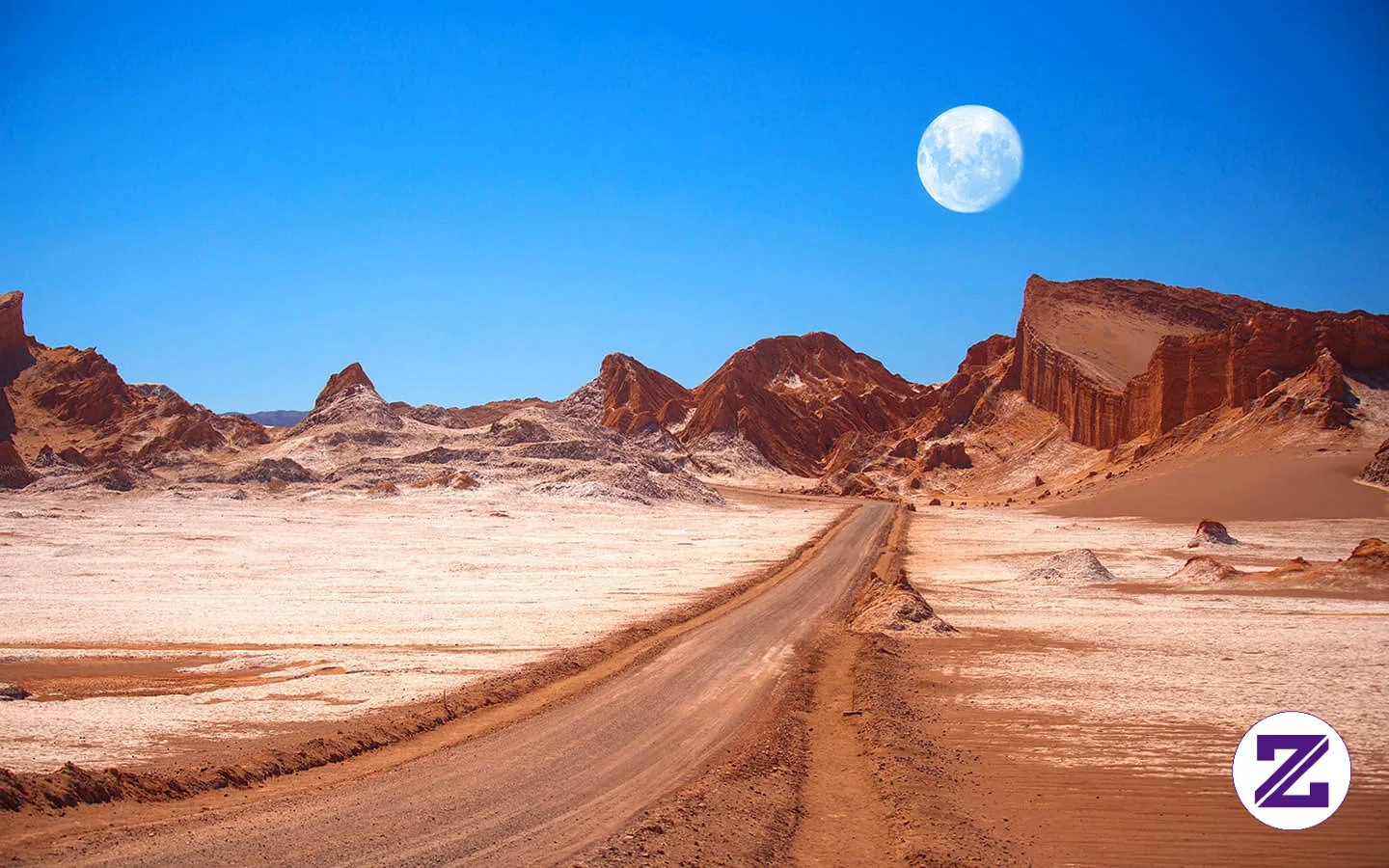

Extreme climate change is increasingly making world food problems more complicated. Long droughts, floods, heat waves, changes in rain patterns and extreme weather can disrupt agricultural production while damaging infrastructure and farmers' livelihoods. The impact does not stop in one area because when production falls, supply decreases and food prices can also be depressed. The FAO and WFP report in 2026 also places extreme weather as one of the factors that could worsen the food crisis which is already influenced by conflict and economic pressure.
What makes the situation even more difficult is that climate change usually comes along with other problems. Countries experiencing conflict may have lost agricultural land and distribution channels, while poor communities have less ability to cope with rising prices. When drought or floods come, they can lose their source of income and have to buy food at higher prices. Therefore, facing the food crisis is not enough just to increase production. Agriculture is needed that is more resilient to climate change, food reserves, a strong distribution system, social protection and international cooperation so that production disruptions in one region do not turn into a wider crisis.