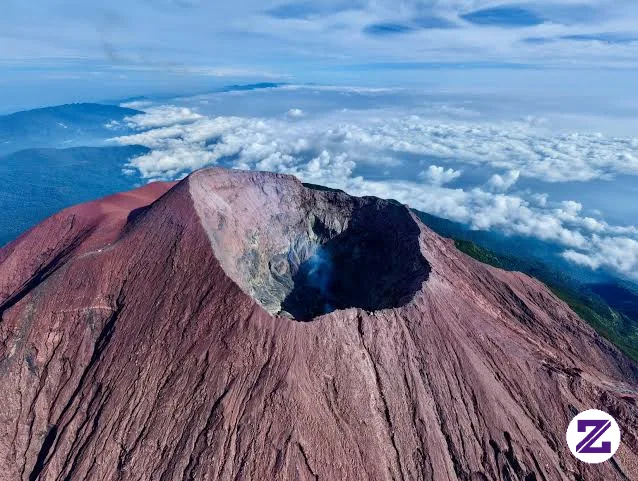

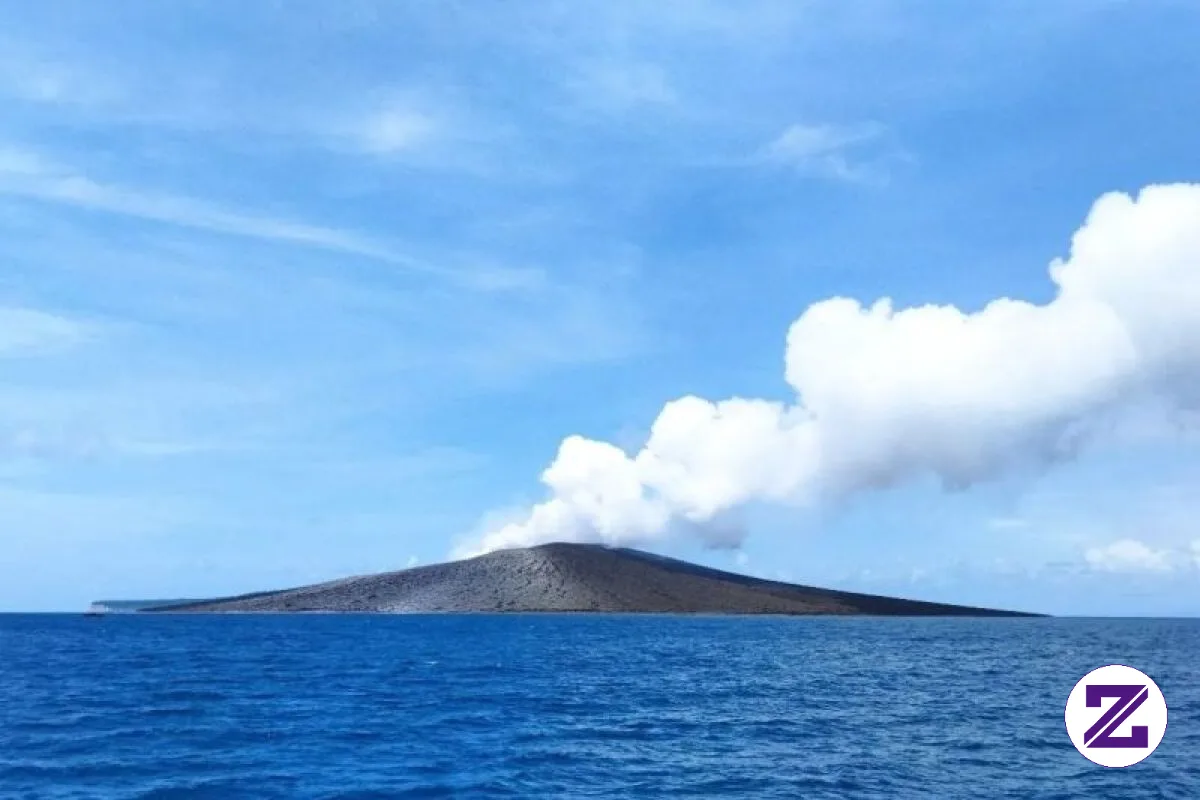
Located in the Sunda Strait of Indonesia, Mount Anak Krakatau is one of the most active and continuously monitored volcanic structures in modern volcanology. Its origin story and geological dynamics are deeply tied to one of the most violent volcanic events recorded in human history.
Here are key fascinating facts about Mount Anak Krakatau:
- Born from the 1883 Caldera (1927): Anak Krakatau emerged from the underwater caldera created by the catastrophic eruption of Mount Krakatoa in 1883. Submarine volcanic activity was first observed in December 1927, eventually rising above sea level to form a permanent island by 1929.
- Rapid Growth Rate (Constructive Phase): The volcano is famous for its rapid growth rate, constantly rebuilding its cone and expanding its landmass through accumulated volcanic deposits and lava flows during active eruption cycles.
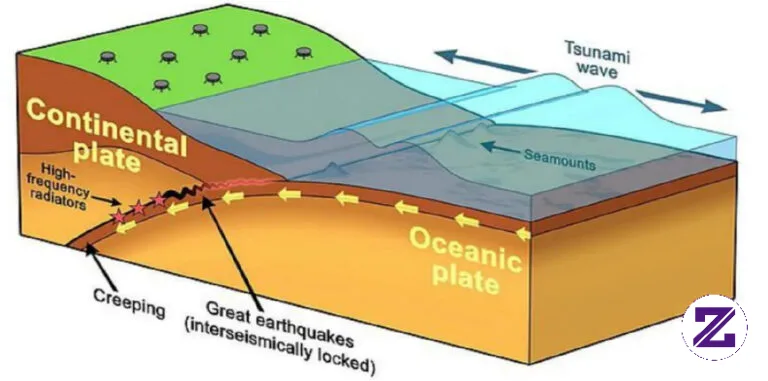
- The 2018 Flank Collapse and Tsunami: On December 22, 2018, a major eruptive phase caused a significant portion of the mountain's southwest flank to collapse into the sea. This underwater landslide triggered a devastating tsunami along the coastal regions of Banten and Lampung without a prior seismic earthquake warning.
- Natural Laboratory for Ecological Succession: The Krakatoa island group serves as a living laboratory for biologists studying ecological succession—observing how plant and animal life naturally re-colonizes completely sterilized volcanic land.
- Strombolian Eruption Style: Anak Krakatau frequently exhibits Strombolian-style eruptions, characterized by rhythmic bursts of glowing lava fountains, ash plumes, and incandescent volcanic bombs during active phases.
Mount Anak Krakatau remains a powerful symbol of Earth's dynamic geological forces and a critical subject of ongoing volcanic research.