
The battery pack represents the most critical and high-value component of any electric vehicle (EV). Because modern EVs rely on lithium-ion chemical architectures, understanding proper charging habits and environmental management is essential to maximizing battery longevity and preventing premature capacity degradation.
The foundational rule of EV battery maintenance is managing everyday charging within a 20% to 80% capacity window. Avoiding complete discharges down to 0% and refraining from routinely charging up to 100% reduces chemical stress on internal battery cells. Charging the battery to full capacity should be reserved primarily for long-distance trips requiring maximum range.
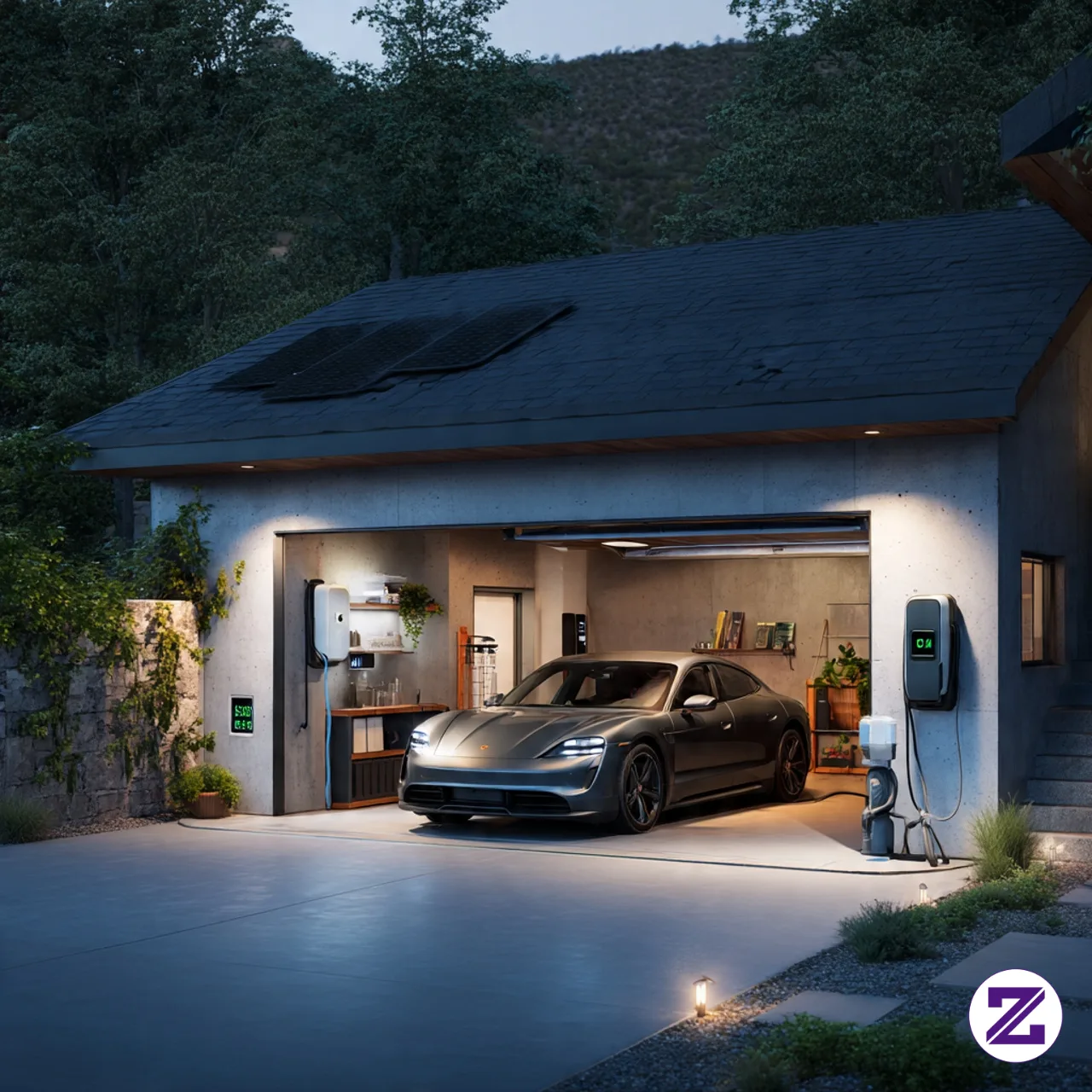
Limit the reliance on high-output DC Fast Charging facilities for routine daily needs. While fast chargers offer convenience, the high currents generate significant thermal heat within the battery pack. Frequent exposure to elevated temperatures accelerates the degradation of internal cell chemistry over time. Utilizing standard level-2 AC home charging overnight provides a gentler, more sustainable power delivery method.
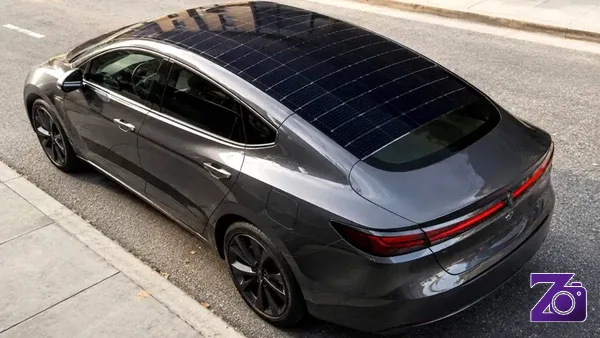
Managing vehicle exposure to extreme ambient temperatures is equally vital. Parking an electric vehicle in direct, intense sunlight for extended periods causes thermal build-up, forcing the battery's liquid cooling systems to work continuously or risking cell strain. Whenever possible, park in shaded areas, covered structures, or climate-controlled garages.
Finally, if an electric vehicle will remain unused for several weeks, store it with the battery charge level maintained around 40% to 60%. Leaving a vehicle stationary for long periods with a completely depleted or fully saturated battery creates chemical instability. Following these maintenance practices preserves range efficiency, extends pack lifespan, and maintains vehicle resale value.