

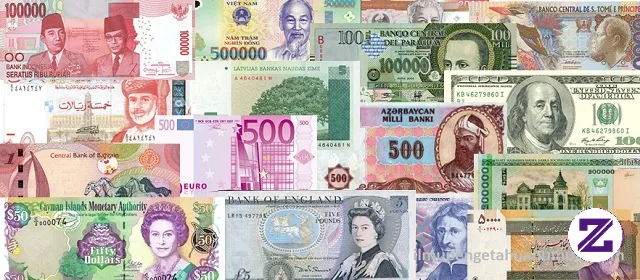
Variations in currency exchange rates are primarily driven by global financial market dynamics—specifically, the laws of supply and demand. Under a floating exchange rate system, national currencies are traded much like commodities. When global demand for a country's currency rises—whether for purchasing exports, making foreign investments, or settling debts—its value appreciates. Conversely, if a currency is widely sold off, its value depreciates.
The first fundamental driver of currency value is inflation alongside central bank interest rates. Nations with low, predictable inflation rates typically maintain stronger currencies because their purchasing power remains stable. Furthermore, when a central bank raises interest rates, it attracts foreign capital looking for higher investment returns, which boosts demand for the local currency.
A second major factor is a country's trade balance and macroeconomic performance. A nation that exports significantly more than it imports runs a trade surplus, boosting demand for its currency because international buyers must acquire that local currency to pay for goods. On the other hand, countries facing chronic trade deficits see their currency weaken as they constantly sell local money to buy foreign currencies for imports.
Political stability and risk perception also play massive roles in determining exchange rates. International investors prioritize regulatory certainty and security. Countries experiencing political turmoil, conflict, or economic instability often face rapid capital flight, causing their currency value to drop sharply as investors pull their money out.
Finally, monetary policies such as money printing and direct central bank interventions directly shape currency valuations. When a government prints excess money without a corresponding increase in economic output, the purchasing power of each individual banknote dilutes. Ultimately, a currency's exchange rate reflects global market confidence in a nation's economic health, political stability, and commercial competitiveness.