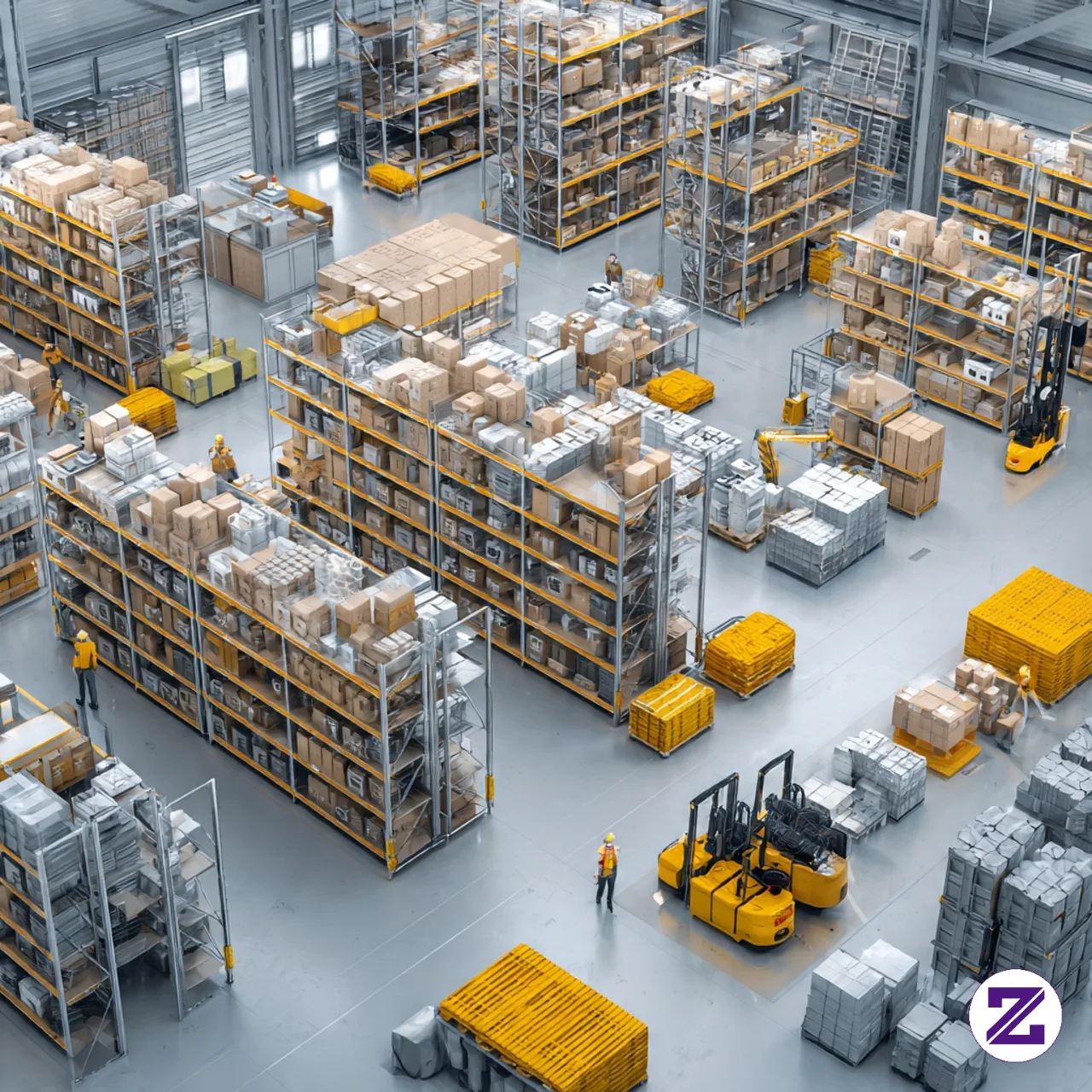


Starting an online business does not always mean buying a lot of inventory or renting a warehouse. Dropshipping is one option for people who want to sell products online without keeping the products at home.
The basic idea is pretty simple. You promote a product, a customer places an order, and you send the order details to your supplier. The supplier handles the packing and ships the product directly to the customer.
But don't mistake a simple business model for an easy business. Finding the right products, choosing a reliable supplier, setting prices, building a brand, and getting customers all take real work.
What Is Dropshipping?
Dropshipping is an online business model where you sell products without keeping your own inventory. You act as the middleman between the supplier and the customer.
For example, you list a product for Rp100,000 in your online store. Once someone buys it, you order the same product from your supplier for Rp90,000. The supplier ships it straight to your customer, while the Rp10,000 difference becomes your gross profit before other business expenses.
The important part is that the customer still sees you as the seller. So if the package arrives late, the product is damaged, or something goes wrong with the order, you will usually be the person the customer contacts.
How to Become a Dropshipper as a Beginner
You don't need to build a huge online store on day one. Start small, learn how the business works, and improve it as you go.
1. Pick a Niche and Products
A niche gives your business a clear direction. Instead of selling random products to everyone, focus on a specific type of customer and their needs.
You could sell cat supplies, fitness accessories, stationery, home products, or a particular type of fashion, for example.
When choosing a niche, look at:
- Products you actually understand or enjoy.
- Whether people are looking for them.
- How strong the competition is.
- How much profit you can realistically make.
- Whether the products are easy to ship.
- Whether suppliers can keep them in stock.
Google Trends can help you see whether interest in a product is growing or falling. Still, don't make your decision based on trends alone. Look at competitors, prices, customer demand, and the actual business potential.
2. Find a Reliable Supplier
Your supplier can make or break a dropshipping business. Even though you don't handle the products yourself, customers will still judge your business based on what they receive.
Before choosing a supplier, check their product quality, shipping speed, stock availability, return policy, extra fees, and customer support.
Ordering a sample is a smart move before committing to a supplier. It lets you see the actual product, packaging, and delivery process instead of relying only on product photos.
And don't automatically choose the cheapest supplier. A supplier that costs a little more but consistently delivers good products and fast service can be a much better business partner.
3. Set Up an Online Store
Once you know what you want to sell and where you'll get it, you need somewhere to sell it.
Marketplaces can be useful when you're starting out, but having your own website gives you much more control over your brand, store design, customer experience, and marketing strategy.
A good dropshipping website should have:
- Clear product pages.
- Good-quality product photos.
- Straightforward pricing and shipping information.
- Easy-to-understand product categories.
- Convenient payment options.
- Contact information.
- Clear return and refund policies.
- A mobile-friendly design.
Make things easy for your customers. If they have to hunt around the website just to find shipping costs or return information, there's a good chance they'll leave before buying.
4. Build a Brand People Remember
Selling the same products as dozens of other dropshippers makes it harder to stand out. That's where branding becomes important.
Start with a business name that's easy to remember and fits your niche. Then create a consistent look through your logo, colors, fonts, product photos, and communication style.
Your brand doesn't have to look expensive. It just needs to feel consistent and give customers a clear reason to choose your store instead of another one selling the same product.
5. Keep Business Money Separate
Mixing personal and business money is a common mistake when starting out.
Create a simple system for tracking your sales and expenses from the beginning. Keep an eye on supplier costs, advertising, platform fees, refunds, transaction costs, and other expenses.
This makes it much easier to see whether your business is actually profitable instead of simply looking busy because you're getting orders.
6. Understand the Legal Side
As your business grows, don't ignore the legal and administrative side of running a business.
Depending on where you operate and what you sell, you may have different requirements related to business registration, taxes, consumer protection, and other regulations.
Your website should also clearly explain things like returns, refunds, terms and conditions, and how customer data is handled.
For specific tax or legal questions, check official sources or speak with a qualified professional rather than relying on general advice from an online article.
7. Start Marketing Your Store
Even the best online store won't make many sales if nobody knows it exists.
You can promote a dropshipping business through several channels:
- SEO: Optimize product pages and helpful articles so people can find your store through search engines.
- Content marketing: Create useful content that answers questions your potential customers have.
- Social media: Show your products through useful or entertaining content instead of simply posting sales messages all day.
- Email marketing: Stay connected with people who have already shown interest in your products.
- Referral marketing: Give existing customers a reason to recommend your products.
- Paid advertising: Use platforms such as Google Ads or social media ads when you're ready to invest in targeted traffic.
You don't need to do everything at once. Pick one or two channels that fit your audience and focus on learning what actually works.
The Benefits of Dropshipping
One of the biggest advantages of dropshipping is the relatively low upfront cost. You don't have to buy a large amount of inventory before you know whether people will actually buy it.
You also don't need your own warehouse, and you can run the business from almost anywhere as long as you have an internet connection.
Another advantage is flexibility. If a product isn't selling, you can replace it without being stuck with boxes of unsold inventory.
Since the supplier handles fulfillment, you can also focus more of your time on marketing, customer service, and growing the business.
The Downsides You Should Know
Dropshipping is not a risk-free business.
The biggest issue is often your dependence on the supplier. If they run out of stock, ship late, send the wrong product, or provide poor-quality items, your customers will still blame your store.
Profit margins can also be tight. When many sellers offer the same product, competing only on price can quickly turn into a race to the bottom.
That's why choosing a good niche, building a recognizable brand, providing solid customer service, and working with reliable suppliers matter so much.
Common Dropshipping Mistakes to Avoid
Chasing Every Viral Product
A viral product can bring plenty of attention, but trends can disappear just as quickly as they appear.
Look for products that solve a real problem or have steady demand instead of relying entirely on short-lived trends.
Never Checking the Product
Don't rely completely on supplier photos. If possible, order a sample and check the product yourself before putting serious money into advertising.
Ignoring Branding
If your store uses the exact same photos, descriptions, and approach as every other seller, customers have very little reason to remember you.
Forgetting the Other Costs
Your supplier price is only part of the calculation. Advertising, payment fees, platform costs, refunds, customer support, and other expenses can quickly eat into your profit.
Losing Touch with Your Supplier
Regular communication can help you catch stock problems and shipping delays before your customers do.
Is Dropshipping Good for Beginners?
Dropshipping can be a reasonable way to learn online business because you don't need to invest heavily in inventory at the beginning.
That doesn't mean it's guaranteed to make money, though.
You still need to understand your customers, choose products carefully, manage your finances, provide good service, and learn how to market your store.
If you take it seriously, a dropshipping store can start as a small side business and eventually become a more organized online business.
Final Thoughts
Learning how to become a dropshipper is relatively straightforward. Pick a niche, find a reliable supplier, create your online store, build your brand, organize your finances, understand the rules, and start marketing.
The mistake is thinking dropshipping means copying a supplier's product photos and waiting for orders to appear. There's much more to it.
In my opinion, the biggest advantage isn't simply being able to sell someone else's products. It's the ability to build trust around your own store. Once customers trust your business, price isn't always the only thing that determines whether they buy from you.