

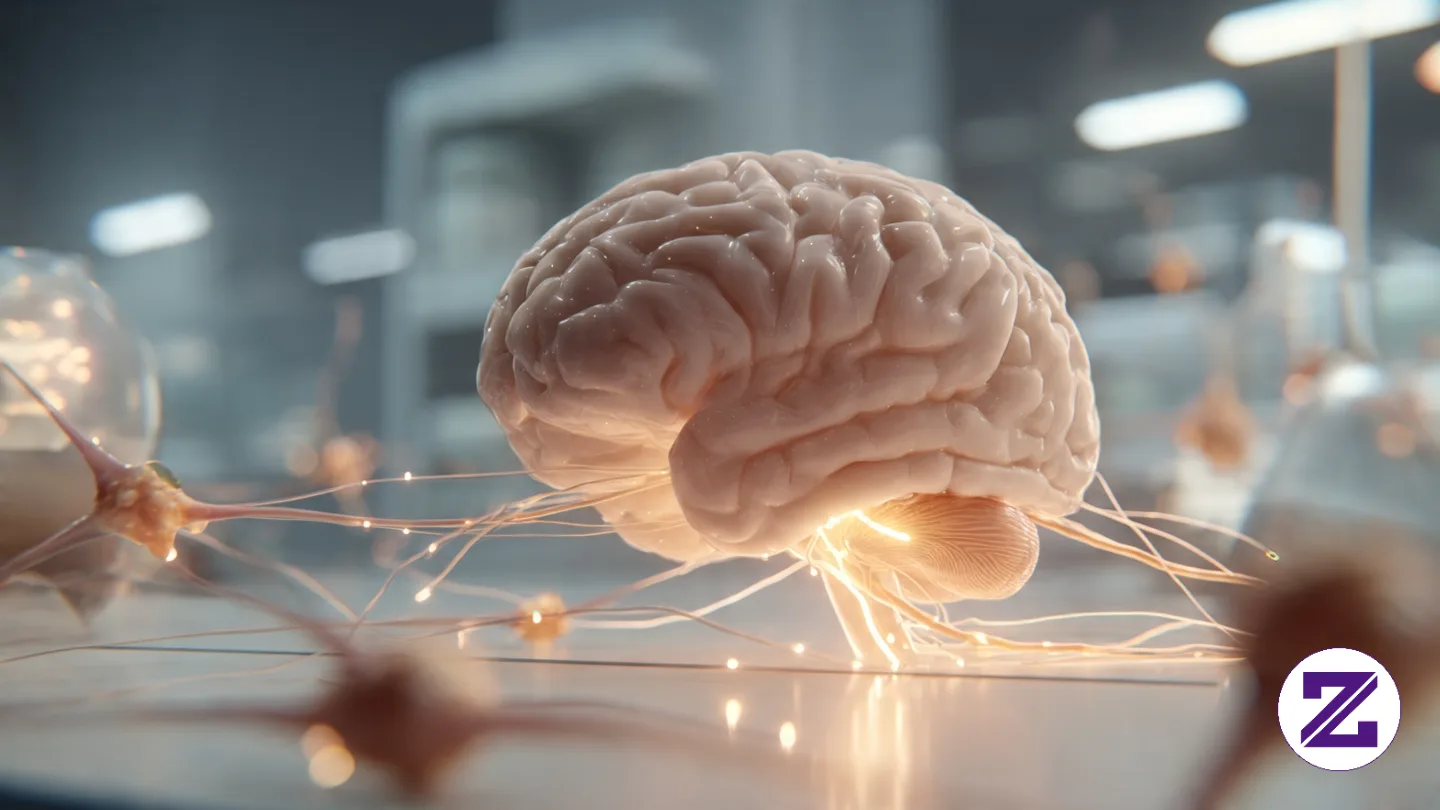
Have you ever just read something, thought you understood it, but a few hours later forgot almost everything? This happens because information that enters the brain is not necessarily immediately stored as long-term memory. Short-term memory has limited capacity and duration, so information needs to be processed further so that it can last longer. Attention, repetition, understanding of the information, and relationships with previously held knowledge also determine whether the information will become stronger or disappear.
In the process of forming long-term memory, the brain makes changes to the connections between neurons. This process is known as memory consolidation and can last for hours to longer. Sleep also has an important role because the brain continues to process and strengthen the information learned. That's why studying while understanding the material, repeating it periodically, trying to remember without looking at notes, and getting enough sleep is usually much more effective than just reading the material many times. So, if you want information to really stick, the brain needs processing, not just exposure to information.