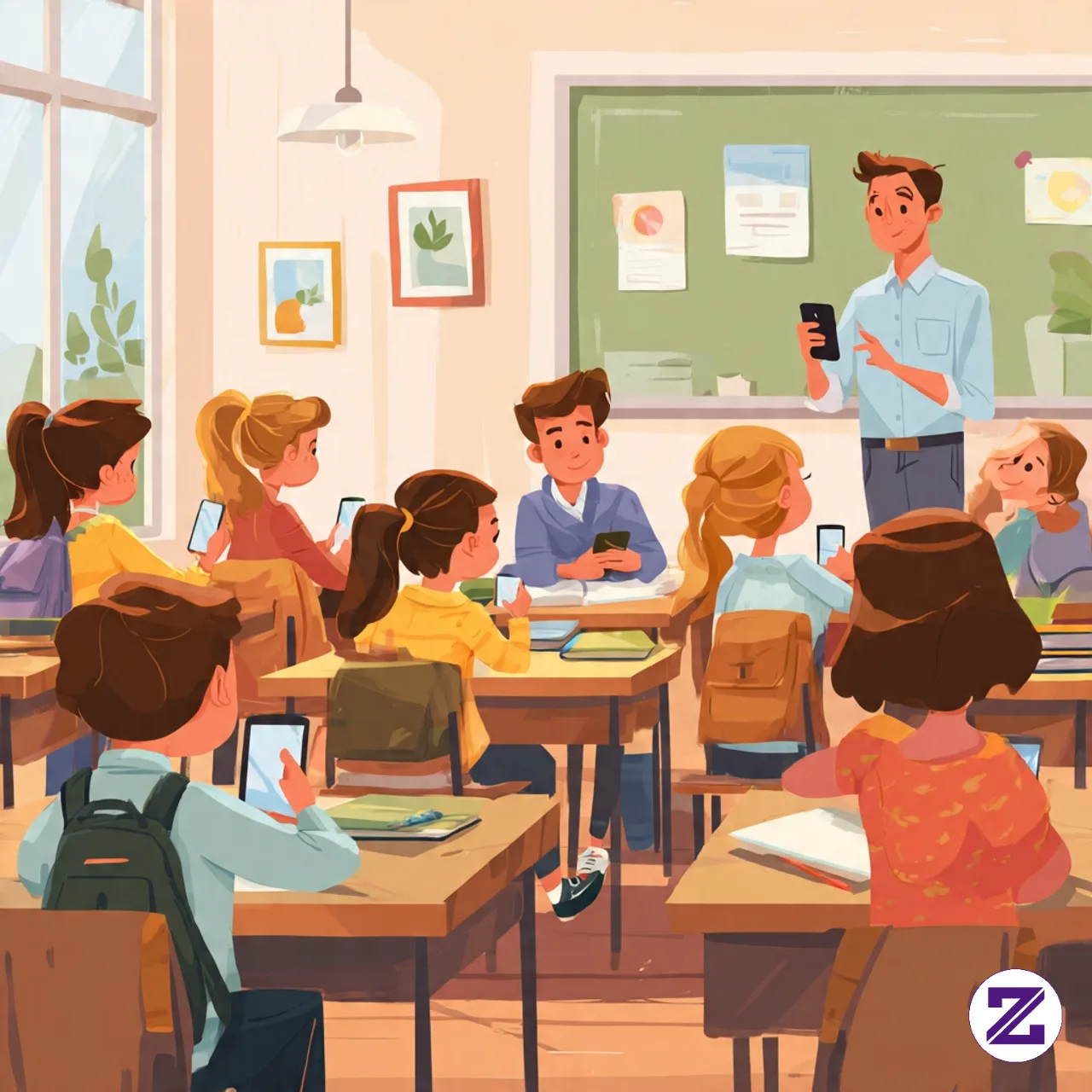

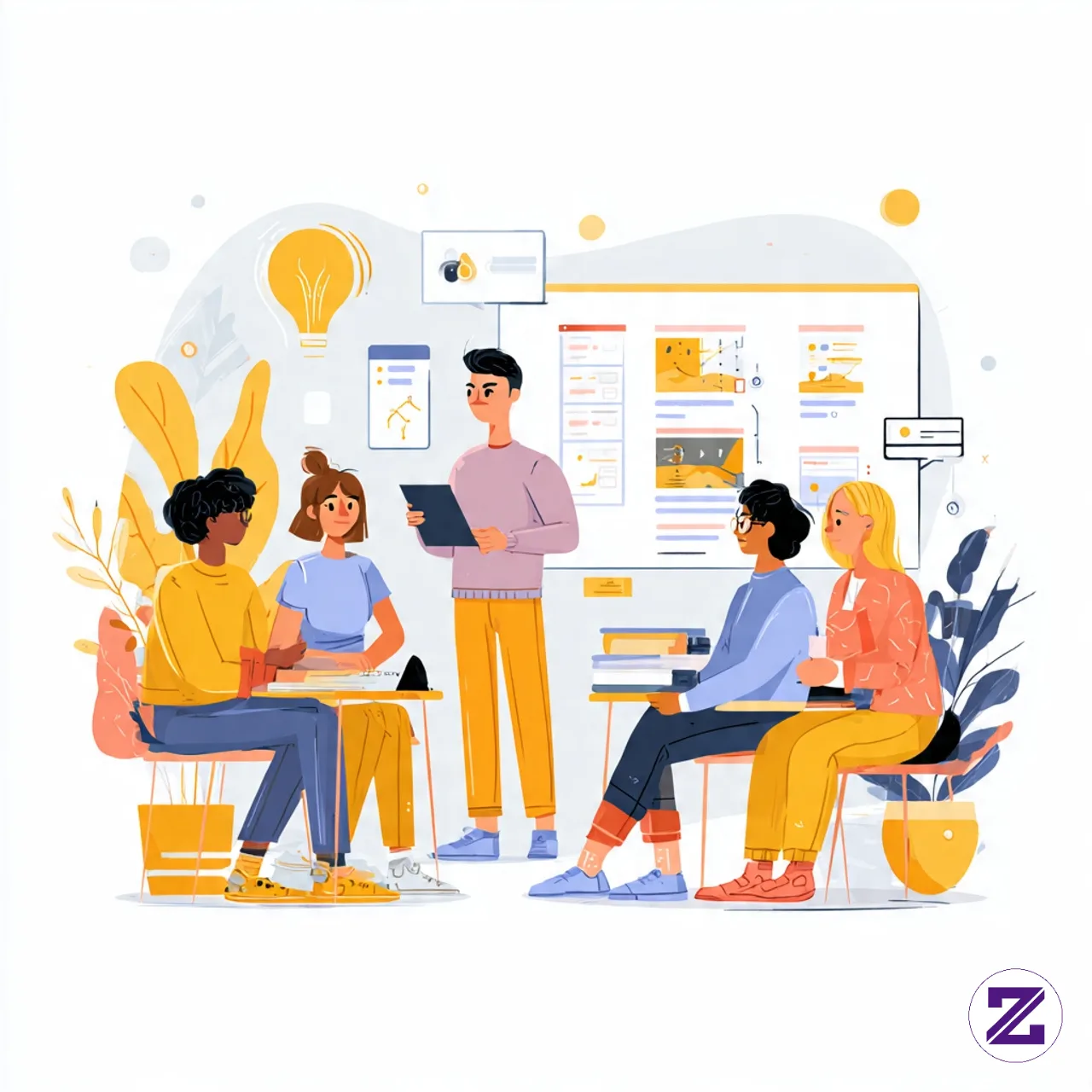
AI technology can make learning activities more interesting if it is used as a tool, not just a machine to provide answers. Teachers can use AI to create example questions, learning scenarios, interactive quizzes, stories based on lesson material, or simple simulations that make it easier for students to understand a topic.
AI can also be used to adapt learning to student abilities. For example, teachers can create several levels of difficulty for the same material. Students who are still having difficulty can get basic training, while students who already understand the material can be given more challenging questions.
In class activities, AI can be used as discussion material. The teacher can provide an AI-generated answer and then ask students to look for errors in it. This method is interesting because students not only learn from the answers, but also learn to check information, find errors, and provide reasons based on reliable sources.
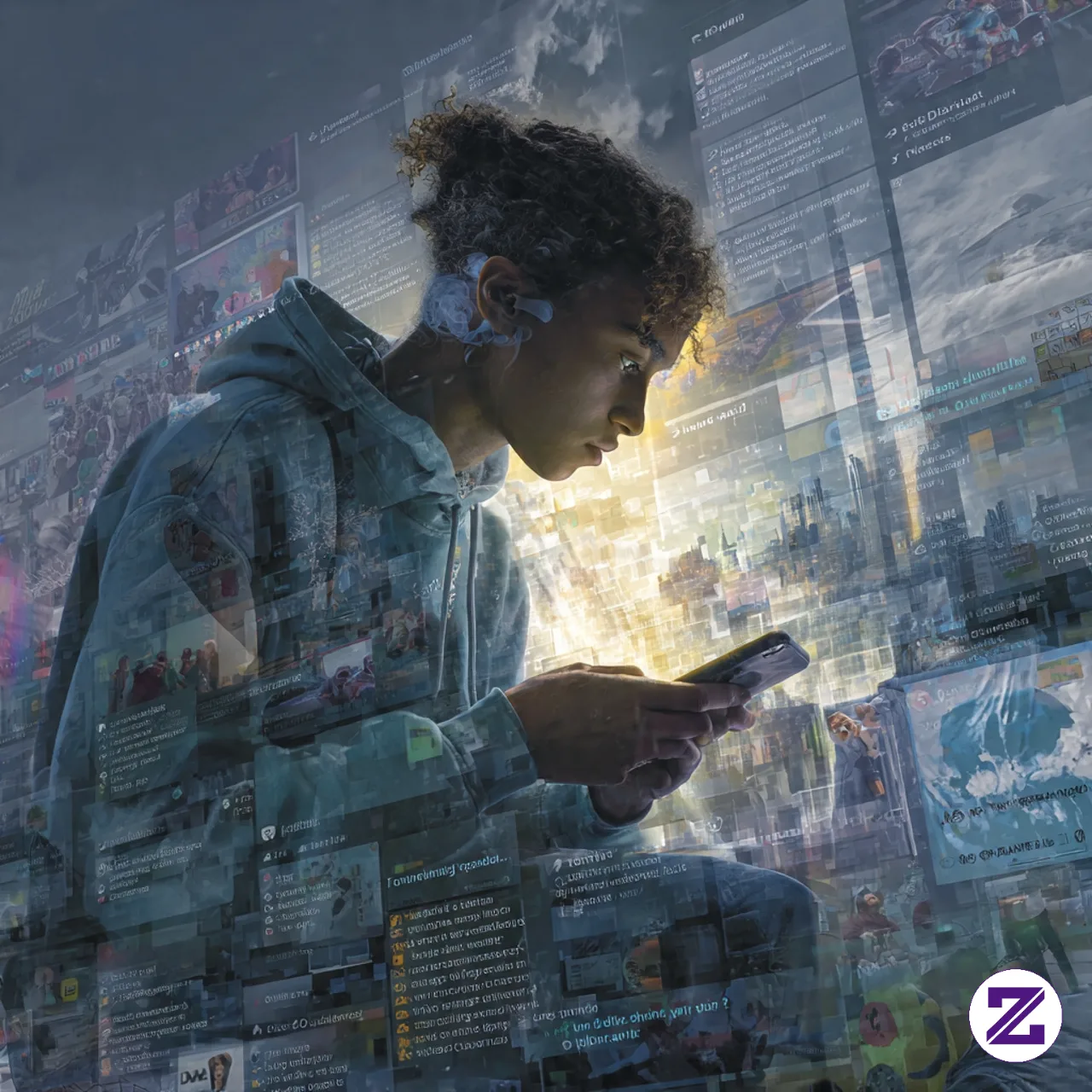
AI can also help students explore topics they care about. For example, in history lessons, students can ask AI to create a timeline of events, then they look for historical sources to verify the information. In language lessons, AI can help provide writing samples which are then corrected and developed by the students themselves.
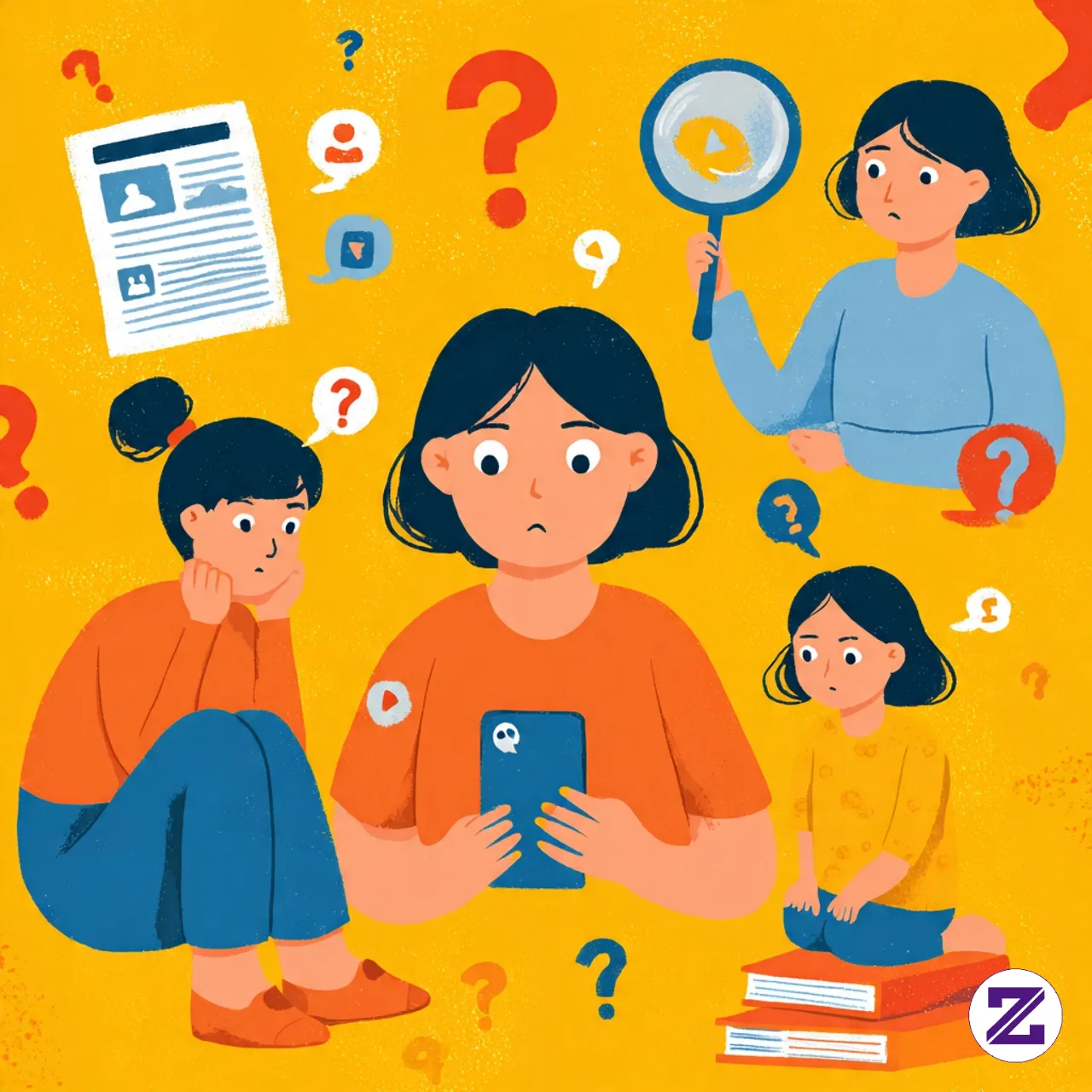
However, the use of AI still requires limitations and teacher assistance. Students need to understand that AI can produce erroneous information and should not be used to replace thought processes. If used properly, AI can actually make learning more interactive while training creativity, curiosity, problem-solving skills and critical thinking.