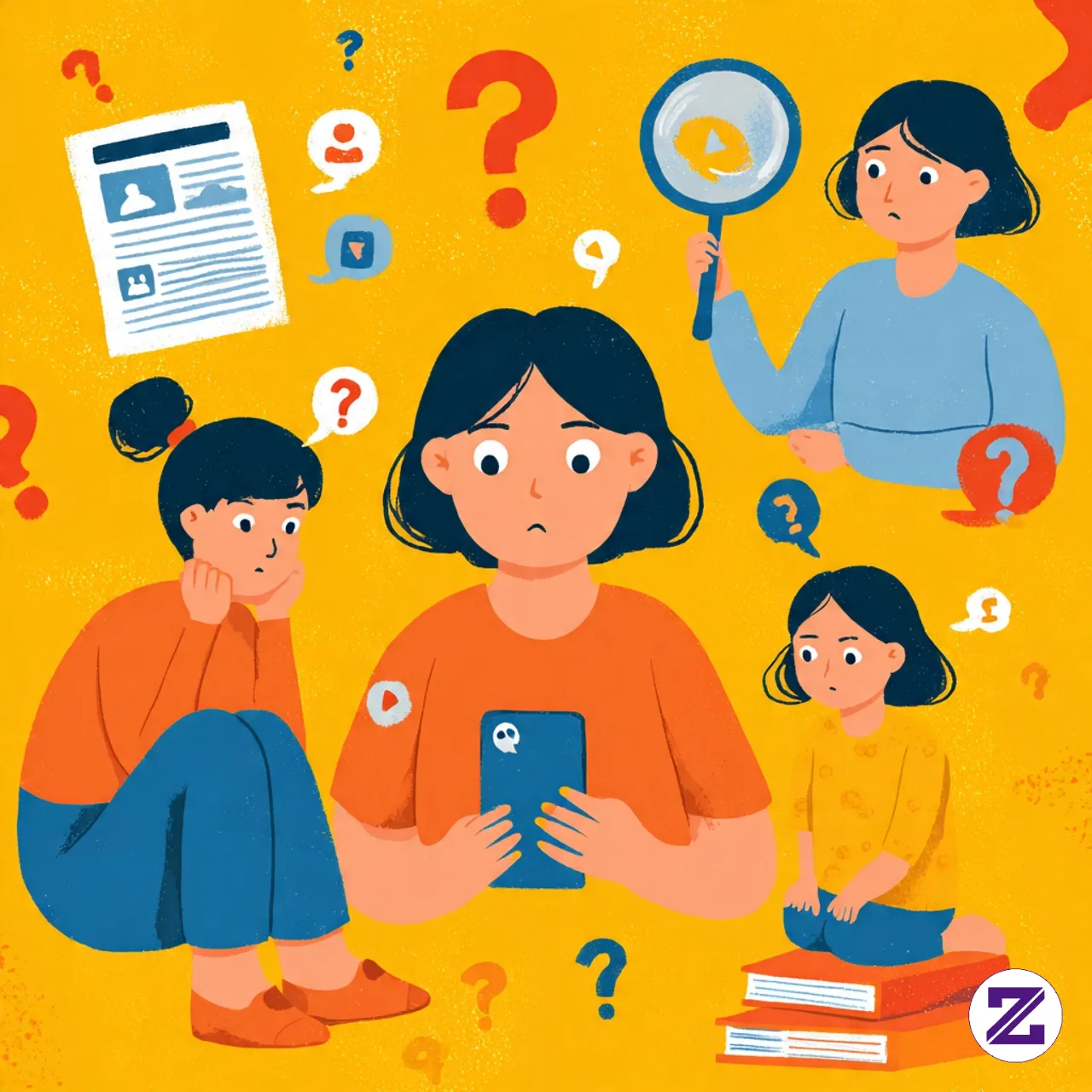

Dealing with students who are too dependent on gadgets is not enough just to confiscate cellphones or prohibit their use while at school. Teachers need to understand first why students find it so difficult to let go of gadgets. They could use it for playing games, social media, communicating with friends, or just looking for entertainment when they feel bored.
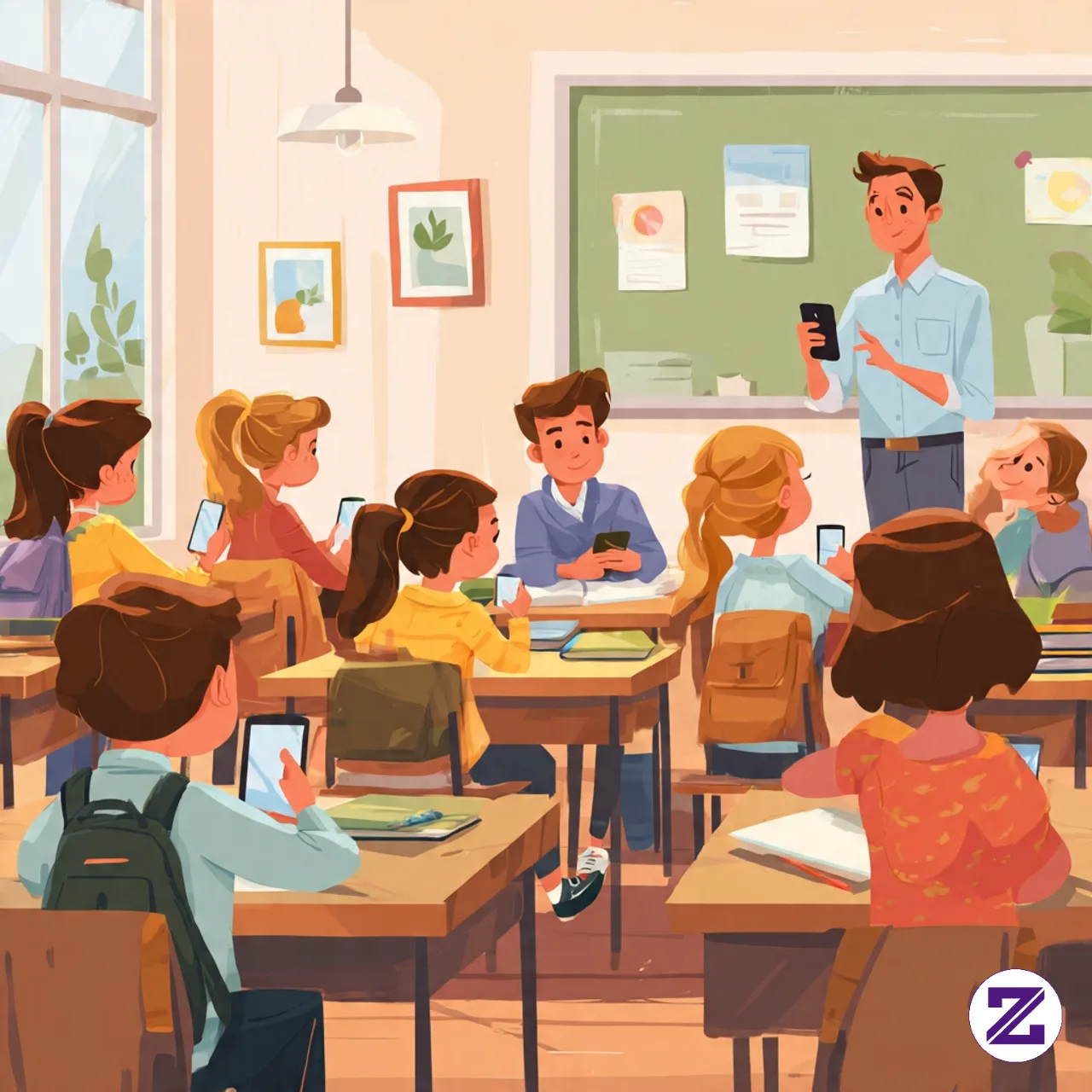
The first step that teachers can take is to create clear and consistent rules for using gadgets. Students need to know when gadgets can be used for learning activities and when they should be put away. Simple rules will be easier to implement than prohibitions that are too numerous and difficult to monitor.
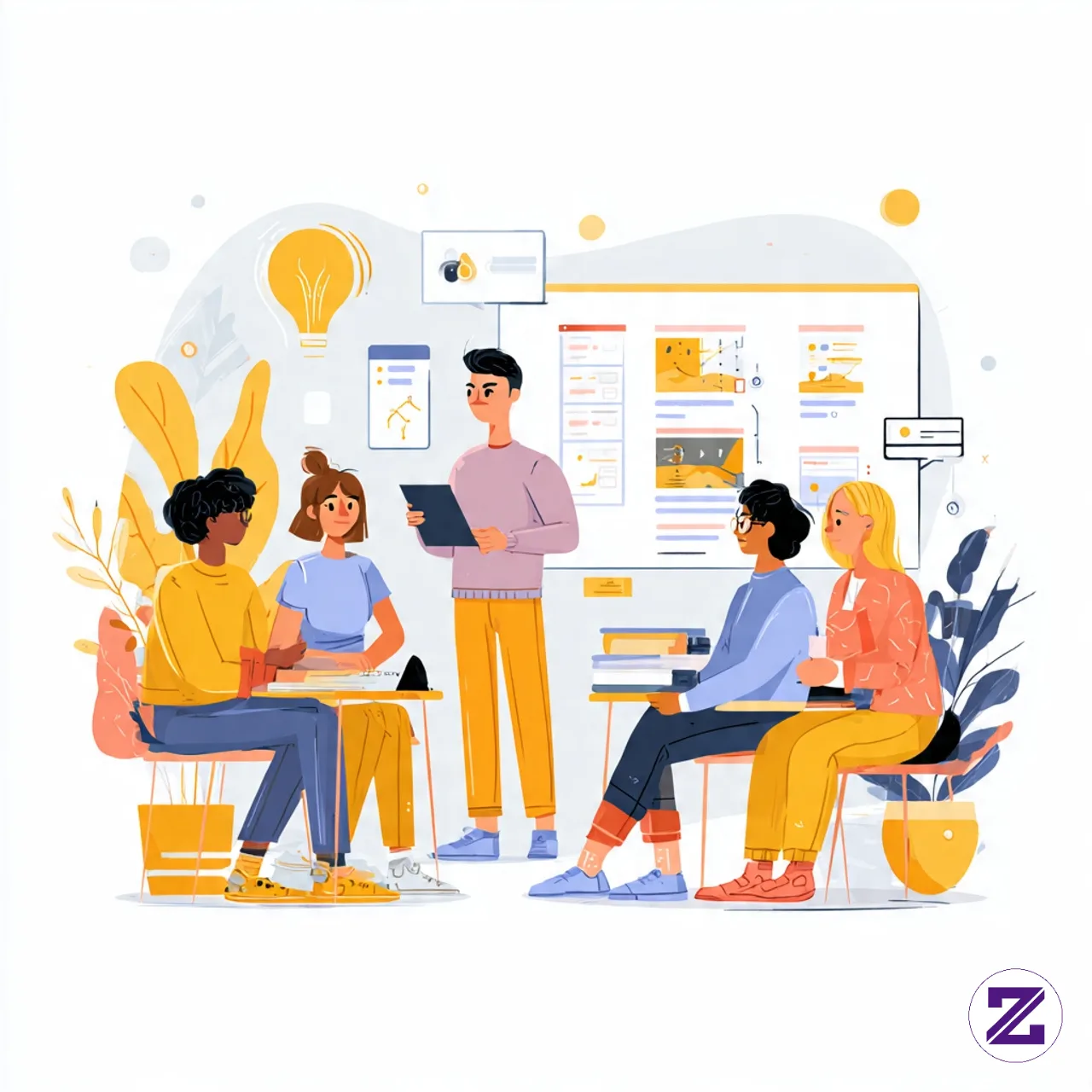
Learning also needs to be made more active so that students do not feel that gadgets are the only source of entertainment. Group discussions, practices, educational games, projects, presentations, and activities that involve collaboration can make the class atmosphere more interesting. When students are truly involved in learning activities, the desire to continue looking at the screen usually decreases.
Teachers can also teach digital literacy, not just give prohibitions. Students need to understand the impact of excessive gadget use on concentration, study time, social interactions and daily habits. By understanding the reasons, they are more likely to learn to regulate their gadget use rather than simply complying out of fear of being punished.
No less important, teachers should communicate with parents if the use of gadgets has seriously disrupted the learning process. Treatment will be more effective if schools and families implement consistent habits. The goal is not to make students stay away from technology completely, but to help them use gadgets healthily, purposefully and according to their needs.