

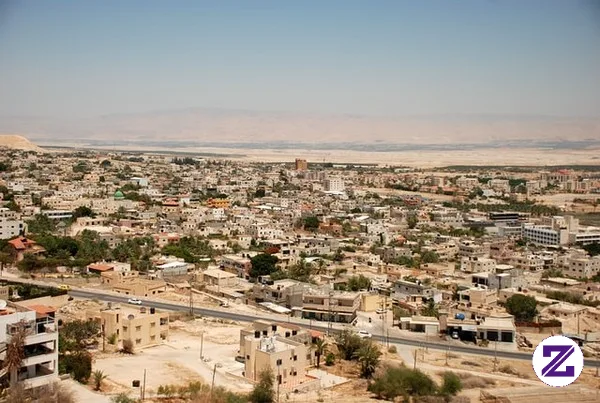
Determining the oldest city in the world that has been continuously inhabited is a frequent topic of debate among archaeologists. However, based on excavation evidence and historical records, Jericho in the West Bank, Palestine, generally holds the title. Archaeological findings indicate that human settlements in Jericho date back to the Neolithic era, around 9,000 to 11,000 BCE.
Jericho became a permanent human settlement largely due to its unique geography. Situated in the Jordan Valley below sea level, the location provided access to a reliable natural freshwater spring known as Elisha's Spring. This dependable water source in an otherwise arid region led ancient hunter-gatherers to settle down, develop early agriculture, and construct the first known stone defensive walls in human history.
Alongside Jericho, Damascus in Syria and Byblos in Lebanon frequently rank near the top of the list. Damascus shows signs of continuous human habitation dating back to 8,000 to 10,000 BCE, evolving into a major trade hub in the Middle East. Meanwhile, Byblos developed into a crucial ancient port city, famous for trading cedar timber and papyrus during the Phoenician era.
The key criterion for this historical title is uninterrupted habitation. Many famous ancient metropolises, such as Babylon or Ur in Mesopotamia, hosted magnificent civilizations but were eventually abandoned due to warfare, climate shifts, or collapsed irrigation systems, turning into uninhabited ruins.
Cities like Jericho, Damascus, and Byblos survived thousands of years across shifting empires—from the Bronze Age through Roman, Byzantine, and modern eras—thanks to strategic trade locations and access to fresh water. They stand as living testaments to human resilience and adaptation across millennia.