ZOYALINK vs YouTube: Pros and Cons for Content Creators
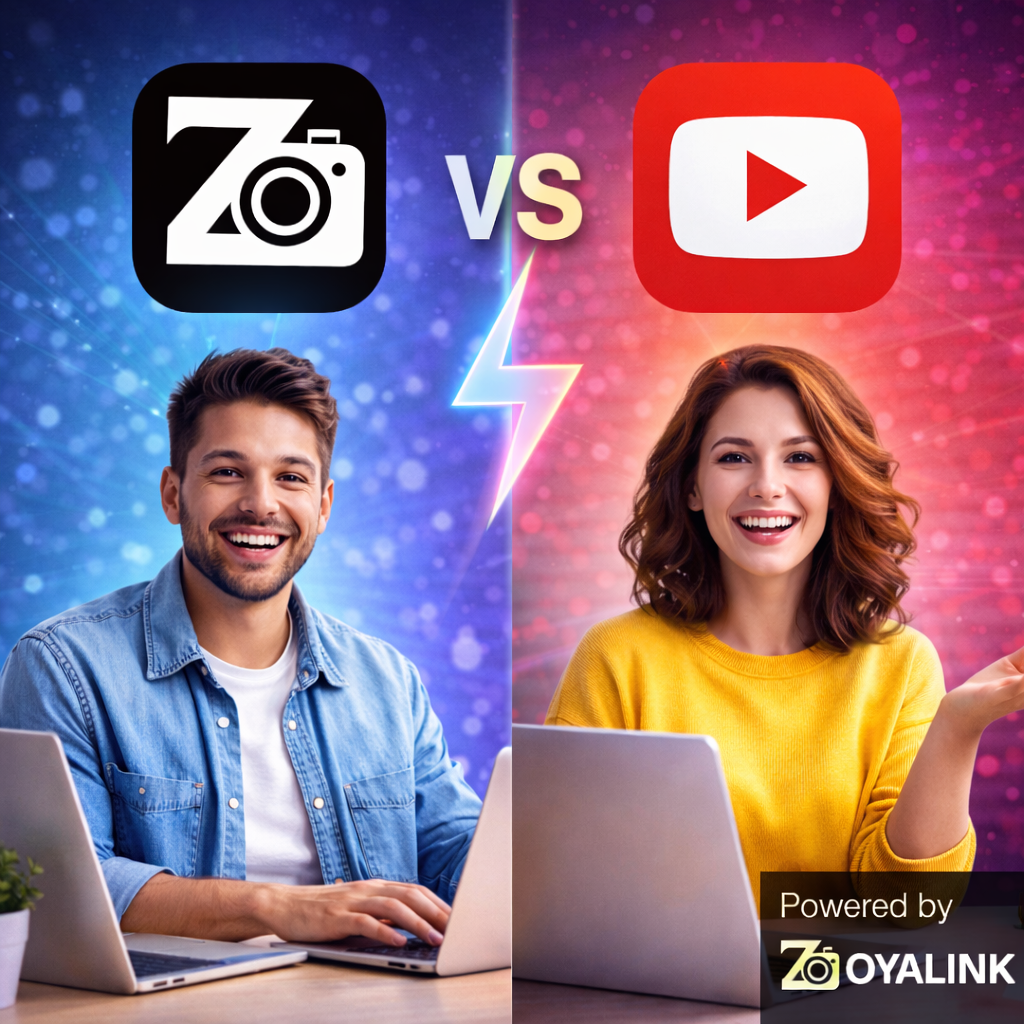
ZOYALINK vs YouTube: Pros and Cons for Content Creators
Choosing the right platform is crucial for content creators who want to build sustainable online income. Two platforms often discussed are ZOYALINK and YouTube. While both allow creators to publish content, their monetization systems, requirements, and long-term potential are very different.
This article explains the key differences between ZOYALINK and YouTube, including their advantages and disadvantages, to help creators make informed decisions.
What Is ZOYALINK?
ZOYALINK is a monetization-focused platform designed to help creators earn directly from their content. It supports multiple content formats and does not require minimum followers or watch hours to start monetizing.
The platform emphasizes creator control, transparency, and reduced dependency on complex algorithms.
What Is YouTube?
YouTube is a video-sharing platform that monetizes content primarily through advertising. Creators must meet strict eligibility requirements, including minimum subscribers and watch hours, before joining the YouTube Partner Program.
YouTube heavily relies on algorithms to determine content visibility and earnings.
Monetization Model Comparison
The biggest difference between ZOYALINK and YouTube lies in how creators earn money.
- ZOYALINK: Direct monetization from content engagement without eligibility barriers.
- YouTube: Ad-based monetization that depends on algorithm reach and advertiser demand.
Advantages of ZOYALINK
- No minimum followers or watch time
- Low algorithm dependency
- Multiple content formats supported
- More predictable income potential
These advantages make ZOYALINK suitable for beginners and creators seeking stability.
Disadvantages of ZOYALINK
- Requires external traffic strategy
- Smaller built-in audience compared to YouTube
Creators need to actively promote content to maximize earnings.
Advantages of YouTube
- Massive global audience
- Strong long-term content discovery
- Well-established monetization ecosystem
YouTube is effective for exposure and brand growth.
Disadvantages of YouTube
- Strict monetization requirements
- High dependency on algorithms
- Unstable income due to ad fluctuations
- Risk of demonetization
Income Stability Comparison
YouTube income can vary significantly based on views, CPM, and policy changes. ZOYALINK offers more control because monetization is not tied to advertising algorithms.
Which Platform Is Better for Creators?
YouTube is excellent for reach and audience growth, but it is not ideal as the only income source.
ZOYALINK works best as a monetization hub where creators can convert traffic into stable earnings.
Best Strategy for Creators
The most effective approach is combining both platforms. Creators can use YouTube for discovery and direct viewers to ZOYALINK for monetization.
Conclusion
ZOYALINK and YouTube serve different purposes. YouTube focuses on reach and advertising, while ZOYALINK prioritizes creator-friendly monetization.
Creators who understand these differences can build a more stable and scalable online income.