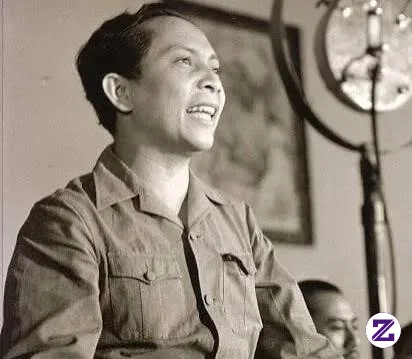

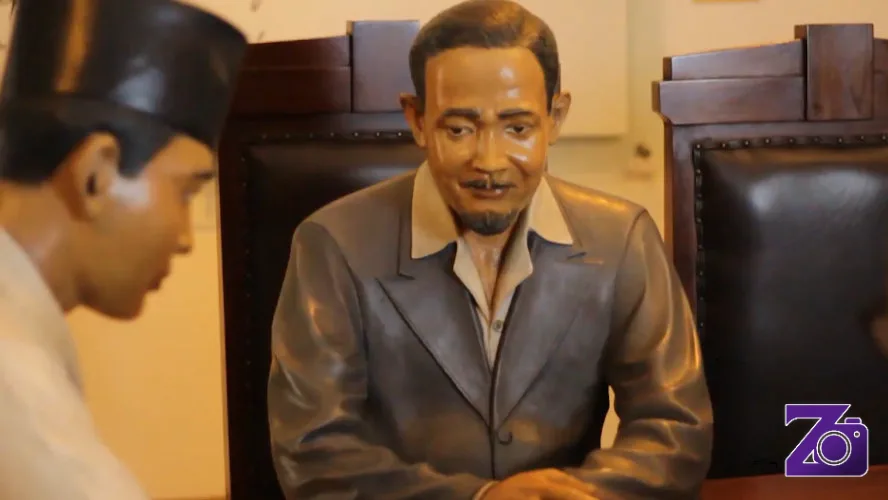
Ahmad Subardjo was one of the key figures involved in the preparations for Indonesia's declaration of independence. He was even given the nickname “The Guarantor of Independence” because of his role in assuring the younger nationalists that the proclamation would take place.
There is, however, an interesting detail in the story. Ahmad Subardjo was not present when Sukarno read the Proclamation of Independence on August 17, 1945.
Just a few hours before the historic event, Subardjo was still at his home in Cikini, Jakarta. He had only managed to sleep for a short time after several exhausting days that had taken a toll on both his physical and mental condition.
That morning, two young men from the Barisan Pelopor arrived at Subardjo's house shortly before 10 a.m. They said they had been sent by Sukarno and asked Subardjo to immediately come to Sukarno's residence on Pegangsaan Timur.
The two messengers told him that the text of the proclamation of independence was about to be read. Because Subardjo was extremely exhausted, his family had to wake him when the young men arrived.
The incident illustrates how tense and hectic the situation was in the hours leading up to the proclamation. The figures involved were dealing not only with political uncertainty but also with the need to make rapid decisions under intense pressure.
Subardjo himself played an important role in the events that preceded the proclamation. His name became closely associated with efforts to bridge the positions of older nationalist leaders and younger activists during the crucial period before independence.
His nickname, “The Guarantor of Independence,” was connected to his willingness to assure the younger generation that the proclamation would indeed be carried out. His involvement became part of the chain of events that eventually led to the declaration on August 17, 1945.
Although Subardjo was absent from the actual reading of the proclamation, that does not diminish his contribution to the events that made it possible. His story demonstrates that the struggle for independence involved many people performing different roles at different moments.
The history of Indonesia's Proclamation of Independence is therefore not simply about those who stood before the crowd on the morning of August 17, 1945. Behind the brief reading of the proclamation was a series of debates, decisions, negotiations, journeys, and acts of courage carried out by many individuals during an extremely critical period.