
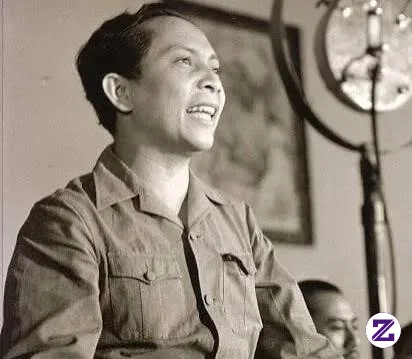
In the history of Indonesia's independence movement, Sutan Sjahrir stands out for his unique approach to statecraft and political organization. While traditional narratives often highlight fiery public speeches delivered to large crowds, Sjahrir championed an intellectual approach grounded in diplomacy, education, and focused small-group discussions. He demonstrated that foundational ideas surrounding national sovereignty and human rights could be effectively cultivated through informal, thoughtful dialogues over shared meals.
Serving as Indonesia's first Prime Minister at the young age of 36, Sjahrir was an accomplished strategist who prioritized political education for youth networks. During periods of colonial suppression and wartime occupation when public assemblies were banned, Sjahrir established organized underground networks. Gathering students and young activists in informal settings, he hosted discussions that blended social connection with rigorous political analysis.
Across the dining table, Sjahrir analyzed global geopolitics, the dangers of totalitarianism, and the principles of modern democratic governance. Rather than lecturing passively, he encouraged young leaders to question assumptions and develop rational analytical skills. These intimate discussions helped train a generation of critical thinkers who played a decisive role during the events surrounding the August 1945 declaration of independence.
Sjahrir carried this relationship-driven approach into his diplomatic efforts on the international stage following independence. Utilizing cultural diplomacy, formal dinners, and fluent multilingual negotiation skills, he effectively engaged Western diplomats. His efforts successfully persuaded the international community that the new Indonesian Republic was a legitimate, democratic state committed to universal human rights.
Sutan Sjahrir's legacy demonstrates that enduring political and social change often originates in quiet, deliberate spaces focused on intellectual growth. Clear reasoning, inclusive dialogue, and investment in youth education remain essential components of thoughtful leadership and national development.