
The digital world of work continues to develop and requires a workforce that not only has technical skills, but is also able to work together, communicate and adapt to change. Therefore, hard skills and soft skills are two things that are equally important to have.
 Continue ReadingI tried uploading content on Facebook, TikTok and Zoyalink, but the experience was different
Many people only focus on learning technical skills, even though companies also consider the ability to interact, solve problems, and work in a team. The combination of the two can help someone develop more quickly in career and business.
This article discusses the differences between hard skills and soft skills and the reasons why they are important in the digital era.
What are Hard Skills?
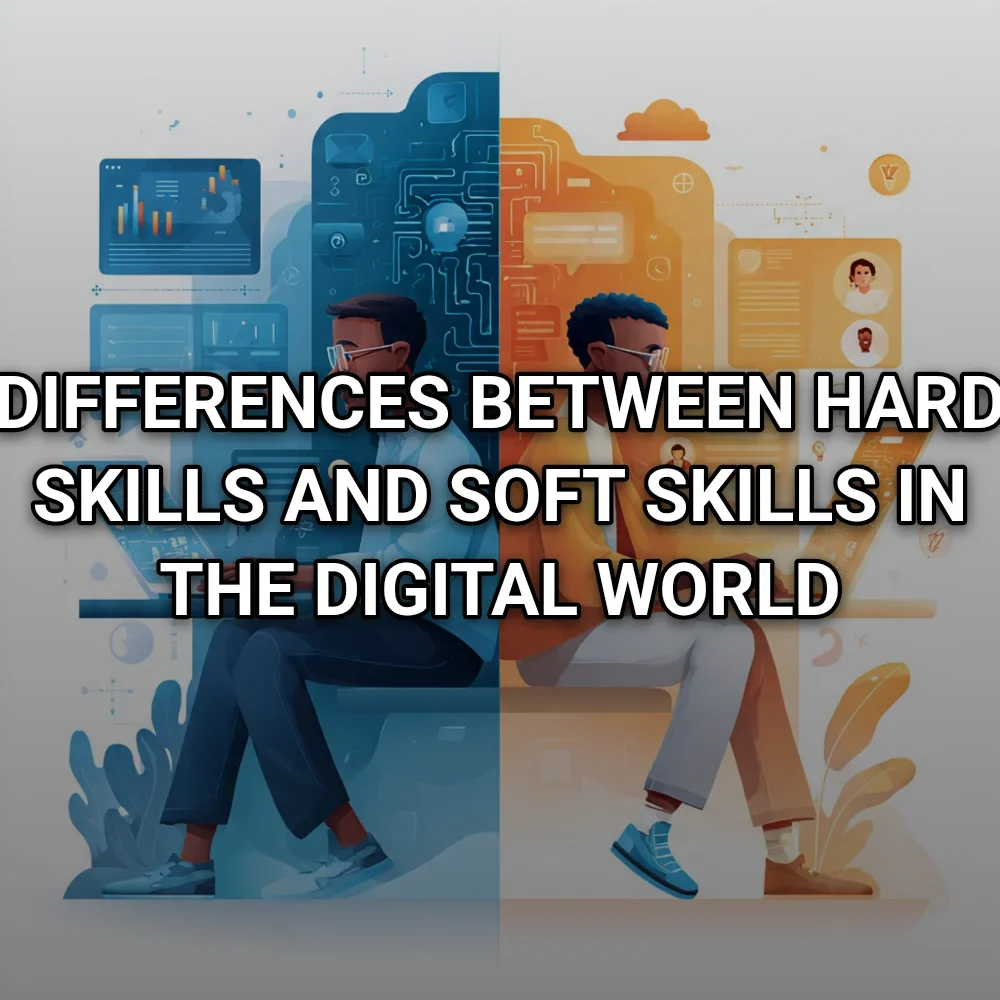
Hard skills are technical abilities that can be learned through education, training, or practical experience. This ability can usually be measured through work results or certification.
Examples of Hard Skills
- Search Engine Optimization (SEO).
- Digital marketing.
- Programming.
- Graphic design.
- Data analysis.
- Content writing.
- Edit photos and videos.
- Website management.
Hard skills are the basis for completing work according to the field you are pursuing.
What are Soft Skills?
Soft skills are abilities related to the way a person interacts, works together, and deals with various situations. Soft skills cannot always be measured in numbers, but they greatly influence success at work.
Examples of Soft Skills
- Communication.
- Teamwork.
- Leadership.
- Time management.
- Critical thinking.
- Creativity.
- Adaptability.
- Solution to problem.
Difference between Hard Skills and Soft Skills
| Hard Skills | Soft Skills |
|---|---|
| Technical capabilities. | Interpersonal skills. |
| Can be learned through training. | Develop through experience. |
| Easy to measure. | More difficult to measure. |
| Used to complete technical work. | Supports collaboration and communication. |
| Usually proven through a portfolio or certificate. | It can be seen from the attitude and way of working. |
Why Are Hard Skills Important?
Companies need workers who have technical abilities according to their fields. Without hard skills, someone will have difficulty completing the work they are responsible for.
Therefore, continuing to improve technical capabilities is an important investment for the future.
 Continue ReadingHow to Improve Writing Skills in the Digital Era
Why Shouldn't Soft Skills Be Ignored?
Even though you have good technical abilities, someone still needs soft skills to be able to work with other people, convey ideas clearly, and face challenges in the workplace.
Soft skills also help build better professional relationships.
How to Develop Hard Skills
- Take online courses.
- Read books and articles.
- Learn through real projects.
- Attend training.
- Build a portfolio.
How to Develop Soft Skills
- Practice communicating.
- Learn to work in a team.
- Manage time well.
- Accept input openly.
- Train critical thinking skills.
Build a Digital Portfolio and Experience
Apart from studying theory, it is also important to show learning results through real work. A portfolio can help show your abilities to potential clients and companies.
ThroughZOYALINK, you can share articles, images, and videos as part of a digital portfolio. This activity helps train hard skills such as writing content and soft skills such as communicating with an audience.
Learn tooHow ZOYALINK WorksAndZOYALINK Creator Programto find out about the various features available to active creators.
Conclusion
Hard skills and soft skills have complementary roles in the digital world. Hard skills help complete work technically, while soft skills support communication, collaboration, and adaptability.
 Continue ReadingHow to Develop Creativity Via the Internet
By continuing to develop these two types of skills in a balanced way, opportunities to develop in the world of work, business and as a digital creator will increasingly open up.