

Laporkan konten ini jika melanggar ketentuan, mengandung materi sensitif, atau hak cipta.
Cara Algoritma Media Sosial Mempengaruhi Pilihan Politik Anak Muda Zaman Sekarang
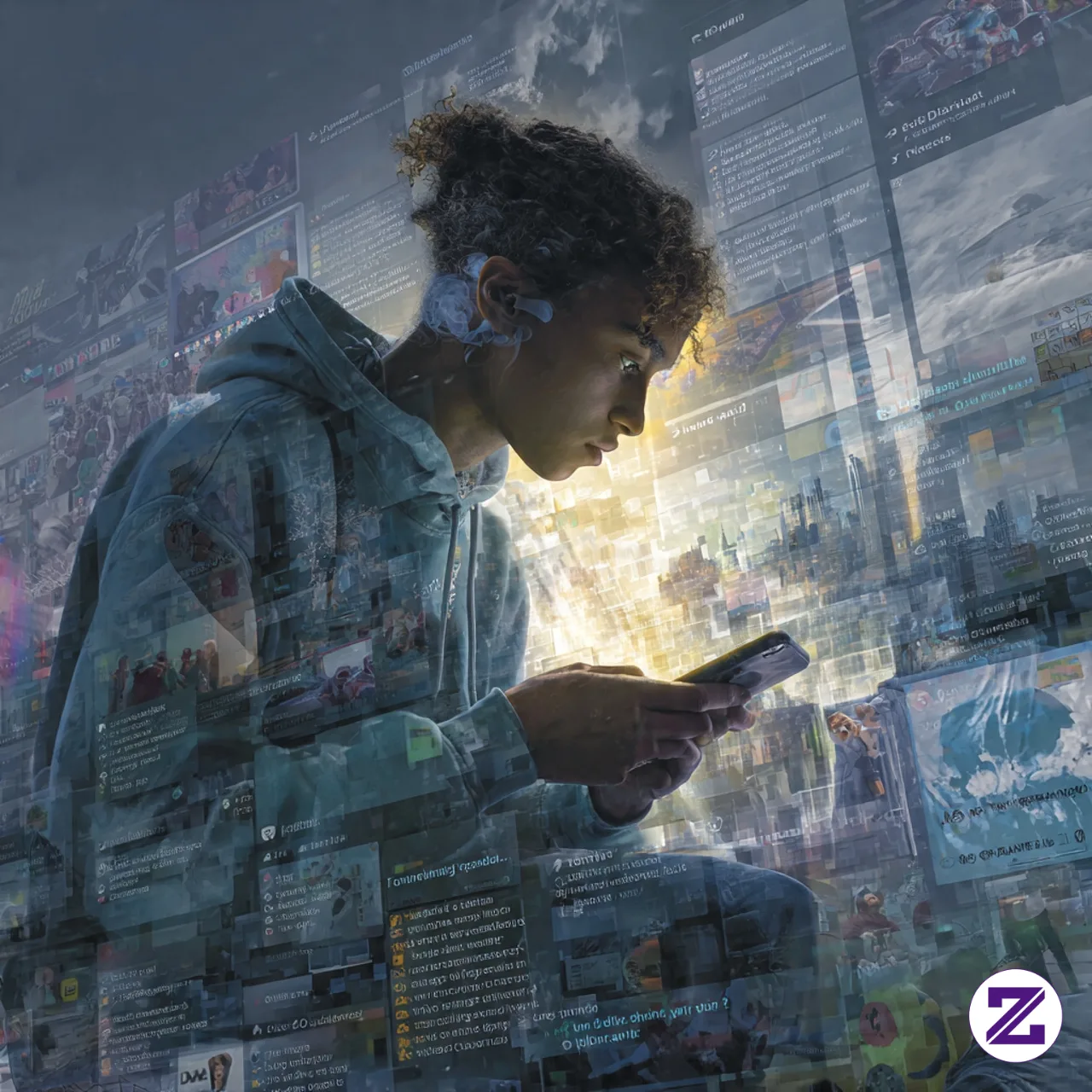
Media sosial telah bergeser dari sekadar ruang interaksi visual menjadi panggung utama pembentukan opini politik, khususnya bagi pemilih muda. Generasi muda kini mengonsumsi isu-isu kebangsaan, kebijakan publik, dan figur politik melalui potongan video singkat, meme, dan hantaran konten di linimasa mereka. Di balik dinamika arus informasi ini, terdapat algoritma rekomendasi berteknologi canggih yang secara aktif memilah, menyaring, dan mengarahkan preferensi politik pengguna secara halus tanpa mereka sadari.
Mekanisme kerja utama algoritma dalam mempengaruhi pandangan politik adalah menciptakan fenomena gelembung filter (filter bubble) dan ruang gema (echo chamber). Algoritma dirancang dengan satu tujuan utama: memaksimalkan durasi pengguna bertahan di dalam aplikasi. Ketika seorang pengguna muda menyukai, mengomentari, atau menonton konten bernuansa politik tertentu hingga selesai, algoritma akan terus menerus menyajikan konten sejenis yang memperkuat pandangan tersebut, sambil menyembunyikan narasi pembanding dari pihak oposisi.
Dampak dari ruang gema ini adalah terbentuknya polarisasi politik yang tajam dan bias konfirmasi. Pemilih muda yang terpapar satu sudut pandang secara terus menerus akan cenderung menganggap narasi kelompoknya sebagai kebenaran mutlak, sementara pandangan berbeda dianggap sebagai ancaman atau kebohongan. Hal ini menurunkan kemampuan berpikir kritis serta mengikis ruang dialog yang sehat dan inklusif dalam ekosistem demokrasi.
Selain gelembung filter, algoritma media sosial juga cenderung memprioritaskan konten yang memicu emosi kuat, seperti amarah, kekhawatiran, atau humor sindiran (satir). Konten-konten politik yang sensasional dan emosional memiliki tingkat penyebaran (virality) jauh lebih tinggi daripada analisis kebijakan yang mendalam dan berimbang. Akibatnya, pandangan politik anak muda sering kali terbentuk oleh framing emosional yang dangkal ketimbang pemahaman atas rekam jejak dan program kerja nyata dari figur politik.
Untuk menjadi pemilih yang bijak di era digital, generasi muda harus membangun kesadaran literasi media yang kritis. Jangan menggantungkan sumber informasi politik hanya dari algoritma linimasa media sosial. Cobalah secara aktif mencari perspektif dari berbagai media massa yang kredibel, melakukan verifikasi data (fact-checking), serta berani memaparkan diri pada sudut pandang yang berbeda agar pilihan politik yang diambil benar-benar didasarkan pada pertimbangan yang objektif dan mandiri.
#LiterasiDigital #PolitikAnakMuda #EdukasiPemilih